
Algeria in one paragraph
Algeria is the largest country in Africa, and the least visited relative to what it holds. It has seven UNESCO World Heritage sites, Roman cities better preserved than most in Italy, and a stretch of Sahara — the Tassili n\'Ajjer and the Hoggar — that many desert travellers rate as the finest on the continent. It receives a fraction of Morocco\'s visitors. You will not queue.
The trade-off is that independent travel is genuinely hard: tourist infrastructure is thin outside the main cities, the Sahara requires a licensed operator by law, and the visa needs an invitation from an Algerian agency. This guide covers what that actually means in practice.
Do I need a visa?
Almost certainly yes. Algeria exempts only a short list of nationalities — a handful of African countries plus Malaysia and the Maldives. Every EU, UK, US, Canadian and Australian passport holder needs a visa.
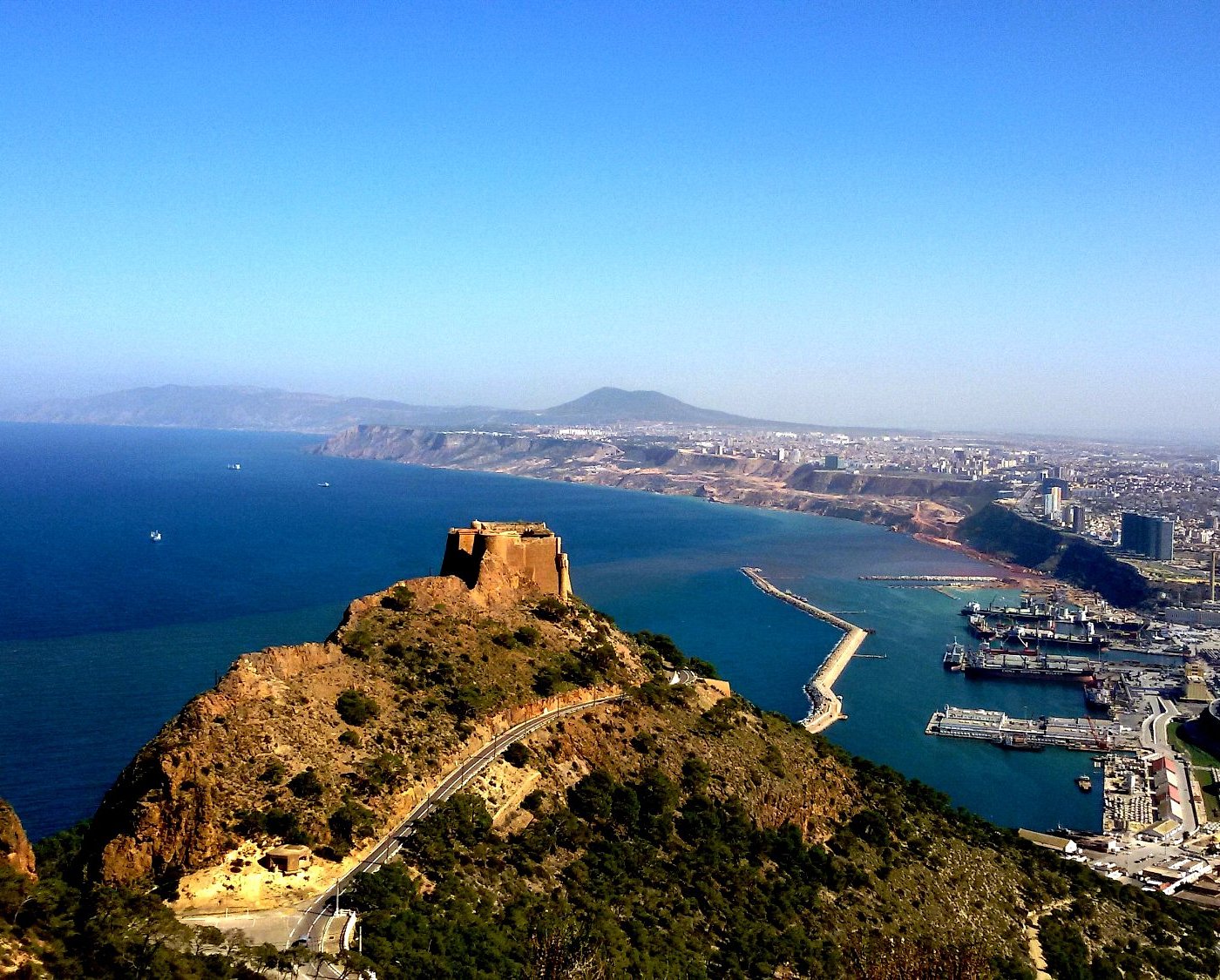
There are two routes. The Sahara Visa-on-Arrival is the one most of our travellers use: if your itinerary includes the Algerian Sahara and you book through a licensed Algerian agency, the agency files the authorisation with the Ministry of Tourism and you collect the visa when you land. You are not restricted to a southern airport — Algiers, Oran and Constantine all work, which matters because most good itineraries combine the desert with the north. The alternative is a standard embassy visa, applied for in your own country, which still requires an invitation letter from an Algerian agency.
Either way the invitation letter is the piece that decides the outcome, and it can only come from an agency licensed in Algeria. See our Algeria visa support page for the current requirements and processing times.
When to go
The country splits into two climates and they want opposite seasons.
- The Sahara (Djanet, Tamanrasset, Tassili, Hoggar): October to March. Days are warm and clear, nights cold — genuinely cold, near freezing in January at altitude. April to September is dangerous rather than merely uncomfortable.
- The north and the coast (Algiers, Oran, Constantine, Tipaza): April to June and September to November. July and August are hot and busy with domestic holidaymakers.
The overlap — October, November and March — is when you can do both well in a single trip. Those months book out first.
What a realistic itinerary looks like
Algeria is enormous and internal distances are the main constraint. Domestic flights, not roads, connect the north to the deep south.
- 8–10 days: Algiers and the Roman coast (Tipaza), then fly south for a Tassili or Hoggar circuit. The classic first trip.
- 12–14 days: add Constantine and the inland Roman cities — Timgad and Djémila, which are the ones that genuinely rival Italy.
- 7 days: pick one. A dedicated Sahara circuit out of Djanet, or a northern heritage loop. Trying to do both in a week means spending it in airports.
The Sahara: what people actually come for
The Tassili n\'Ajjer is a sandstone plateau near Djanet holding one of the largest concentrations of prehistoric rock art on earth — thousands of paintings recording a green Sahara with rivers, cattle and hippopotamus. The Tadrart Rouge below it is the dune-and-monolith landscape most people picture. Further west, the Hoggar around Tamanrasset is volcanic: black basalt spires, and the sunrise from Assekrem that most travellers name as the moment of the trip.
Sahara travel is camping, 4x4s and local Tuareg guides. It is not a hotel-based experience, and it is regulated — tourists must travel with a licensed operator. That is a legal requirement, not an upsell.
Roman Algeria
Timgad was a garrison town founded by Trajan and is laid out on an almost perfect grid — you walk the original streets. Djémila survives because it was abandoned rather than built over. Tipaza sits on the Mediterranean an hour from Algiers. All three are UNESCO listed, and on most days you will share them with almost nobody.
Is Algeria safe?
For the routes tourists actually travel, yes. The tourist south and the northern cities are stable and Algerians are notably welcoming to visitors, who are still rare enough to be interesting. The genuine restrictions are the border regions with Libya, Mali and Niger, which are closed to tourism and which no legitimate operator will take you to. Check your own government\'s current travel advice before booking.
Costs
Algeria is not a budget destination in the way Morocco is, mainly because Sahara logistics — 4x4s, fuel across long distances, guides, permits, camping equipment — are expensive to run. Expect a guided Sahara circuit to cost more per day than an equivalent Moroccan tour. What you get for it is a landscape without other tourists in it.
Practical notes
- Money: Algeria is a cash economy for travellers. Foreign cards rarely work outside major hotels. Bring euros.
- Language: Arabic and Tamazight are official; French is widely spoken. English is limited outside the tourism trade.
- Connectivity: good in cities, absent in the desert. Plan for several days offline.
- Alcohol: legal but not widely available, and not at all in the south.
Where to start
Decide first whether you want the desert, the ruins, or both — that answers the length of the trip and the season. Then book early for October–March, because Sahara capacity is limited by the number of licensed vehicles and guides, not by hotel rooms.
Roza Tour is a licensed Algerian operator based in Algiers. We handle the visa paperwork for every traveller who books with us, at no charge. Tell us what you want to see and we will build the itinerary around it.


-1773247827.jpg)
Comment (0)
Leave A Comment: